Mould is one of Auckland's most common household problems. Our subtropical climate creates ideal conditions for growth. Here's Fizzy Cleaning's comprehensive guide.
Why Auckland Homes Are Prone to Mould
Average humidity sits at 70—80%. Older homes have poor insulation. Even modern homes suffer if bathrooms lack extraction fans or clothes are dried indoors. The North Shore and coastal suburbs experience higher humidity.
Common Mould Hotspots
Bathroom ceilings and grout, window frames, behind furniture, inside wardrobes, under sinks, and in laundries. Include these in your regular cleaning checklist.
Safe DIY Mould Removal
White vinegar is effective and safe — spray undiluted, leave 30 minutes, scrub and wipe. Baking soda paste works for grout. Always use eco-friendly products and ensure ventilation.
Prevention Tips
Use extraction fans during and after showers, open windows daily, avoid drying clothes indoors, use dehumidifiers in winter. For seasonal prevention, schedule a spring deep clean annually.
When to Call Professionals
If mould covers more than one square metre, keeps returning, or family members have health symptoms, it's time for professional help. Deep cleaning tackles mould that regular cleaning misses.
Call +64 27 405 2667 for professional mould treatment across Auckland.
Safe removal, step by step
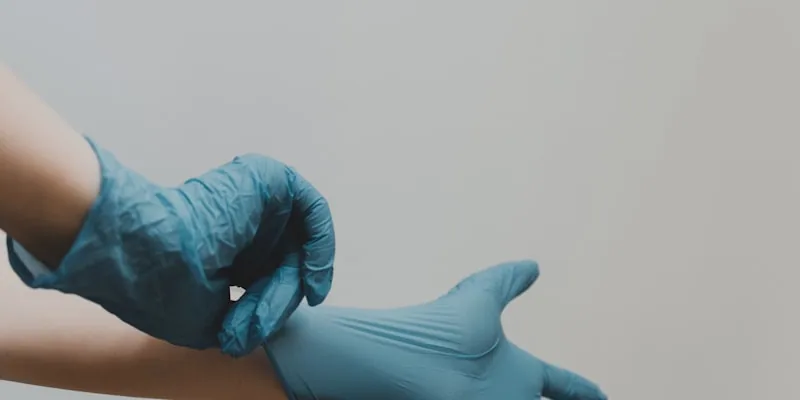
- Protect yourself. Gloves, a P2 mask and open windows. Anyone with asthma should leave the room.
- Kill it, don't just bleach it. Household bleach whitens mould on porous surfaces but often leaves the roots alive. Use white vinegar (undiluted, sprayed on and left for an hour) or a commercial mould treatment that states it kills spores. Bleach is fine on non-porous tiles and glass.
- Wipe, don't scrub dry. Dry brushing sends spores airborne. Wipe with a damp microfibre cloth and bin the cloth afterwards.
- Dry the area completely with a fan or heater — residual moisture is what brings it back within weeks.
- Treat the cause (see below). Removal without fixing the moisture source is a temporary result.
Where it comes from in West Auckland homes
| Symptom | Likely cause | Fix |
|---|---|---|
| Black spots on bathroom ceiling | No extractor fan, or fan vents into the roof space | Ducted extractor fan run for 15 minutes after every shower |
| Mould on bedroom window frames and curtains each morning | Condensation from breathing and unflued heaters | Wipe frames daily in winter; heat pump or flued heater; crack a window |
| Musty wardrobes on external walls | Cold wall surface, poor airflow | Leave doors ajar; move clothes off the cold wall; insulate if possible |
| Mould under the house / musty floors (common in Titirangi and Laingholm bush sections) | Damp subfloor, blocked drainage, dense vegetation | Ground vapour barrier, clear gutters and drains, cut back planting |
| Recurring mould on one exterior wall | Leak, failed flashing or blocked gutter overflowing | Get the exterior inspected; a gutter clean is the cheap first step |
Renters: what the Healthy Homes Standards require
Since 2021 all New Zealand private rentals must meet the Healthy Homes Standards for heating, insulation, ventilation (an extractor fan in every bathroom and kitchen), moisture ingress and drainage, and draught stopping. If mould keeps returning because a fan is missing or the subfloor is wet, that is the landlord's problem to fix — put it in writing. Tenants are still responsible for everyday ventilation and wiping down condensation.
When to call a professional
Book a professional deep clean when the affected area is bigger than about a square metre, when it is in the ceiling or above head height, when it comes back within a month of being removed, or when anyone in the house has respiratory problems. Our teams treat and remove mould from bathrooms, ceilings, window frames and wardrobes across West Auckland with non-toxic, spore-killing products — and we will tell you if what we are seeing points to a leak rather than a cleaning issue.
Frequently Asked Questions
Does vinegar or bleach work better on mould?
Vinegar kills the mould on porous surfaces like plasterboard and timber; bleach only bleaches the colour there. Use bleach on hard non-porous surfaces such as tiles and glass.
Why does mould keep coming back after I clean it?
Because the moisture source hasn't changed — condensation, a missing extractor fan, a leak or a damp subfloor. Removal is step one; ventilation and heating are the fix.
Is a landlord responsible for mould in an Auckland rental?
For mould caused by the building — leaks, no extractor fans, damp subfloor — yes, under the Healthy Homes Standards. Mould from a tenant never ventilating or heating the home is the tenant's responsibility.
Sources & further reading
- Ministry of Health / Te Whatu Ora — damp and mould in the home — health effects of household mould and how to reduce indoor dampness
- Tenancy Services — Healthy Homes Standards — heating, insulation, ventilation and moisture rules for NZ rentals
- BRANZ — building research — research on moisture, ventilation and building performance in NZ homes
- NIWA — New Zealand climate data — Auckland humidity and rainfall figures behind the mould advice
Ready for a Sparkling Clean?
Free, no-obligation quote from Auckland's most trusted cleaning service.
Call +64 27 405 2667 Request Quote Online